

The Irresistible Allure of Chocolate Babka: A Deep Dive into This Twisted Delight
Did you know that a single slice of perfectly baked chocolate babka can elevate your morning coffee from ordinary to extraordinary, transforming a simple breakfast into a decadent experience? While many associate this rich, swirled bread with Jewish bakeries and holidays, its universal appeal is undeniable, drawing in bakers and eaters alike with its promise of flaky layers and intense chocolate flavor. Yet, achieving that ideal, melt-in-your-mouth texture and deep chocolate richness can feel like a culinary Everest for some. We’re here to demystify the process, offering a data-driven approach to mastering the art of chocolate babka, ensuring your next bake is a resounding success.

Gather Your Arsenal: Ingredients for Chocolate Babka Bliss
Crafting a truly exceptional chocolate babka begins with high-quality components. Don’t be intimidated by the list; each ingredient plays a crucial role in building that signature texture and flavor. We’ve also included some thoughtful substitutions to keep your baking inclusive.
* For the Dough:
Active Dry Yeast: 2 ¼ teaspoons (one standard packet) – This little powerhouse is responsible for the dough’s airy lift. Ensure it’s fresh for optimal activation.*
Warm Milk: ¾ cup (around 105-115°F or 40-46°C) – The ideal temperature to wake up your yeast without killing it. Dairy or non-dairy options like almond or oat milk work well.*
Granulated Sugar: ¼ cup, plus 1 teaspoon for proofing – Feeds the yeast and contributes to a tender crumb.*
All-Purpose Flour: 3 ½ cups, plus more for dusting – The backbone of your babka. Consider a mix of bread flour and all-purpose for an even chewier result.*
Salt: 1 teaspoon – Crucial for flavor balance and controlling yeast activity.*
Large Eggs: 2, room temperature – Enrich the dough and contribute to its beautiful golden hue. Bringing them to room temperature ensures they emulsify seamlessly.*
Unsalted Butter, softened: ½ cup (1 stick) – Adds richness, tenderness, and a delightful mouthfeel. Margarine can be used, but the flavor and texture will differ.*
* For the Chocolate Filling:
Unsweetened Cocoa Powder: ½ cup – The foundation of our intense chocolate flavor. Dutch-processed cocoa offers a darker, smoother taste.*
Granulated Sugar: ½ cup – Sweetens the filling and balances the bitter cocoa.*
Dark Chocolate, finely chopped or chips: 6 ounces – A good quality dark chocolate (60-70% cacao) will significantly impact the final flavor. Feel free to mix in milk chocolate for a sweeter profile.*
Ground Cinnamon: 1 teaspoon – Adds a warm, aromatic depth that complements the chocolate beautifully. A pinch of nutmeg is also a lovely addition.*
Unsalted Butter, melted: 2 tablespoons – Helps create a spreadable paste and adds to the lusciousness.*
* For the Simple Syrup Glaze:
* Granulated Sugar: ¼ cup
* Water: ¼ cup
The Clock is Ticking: Mastering Babka Timing
Understanding the timeline for this chocolate babka is key to managing expectations and ensuring a smooth baking process.
* Prep Time: Approximately 60 minutes. This includes mixing, kneading, and initial rising.
* Chill Time: 30 minutes (for the dough to firm up, making it easier to handle).
* Assembly & Second Rise: Approximately 90 minutes. This covers rolling, filling, shaping, and the final proofing.
* Bake Time: 30-40 minutes.
* Total Time: Roughly 3 hours 30 minutes. This is about 15% longer than the average quick bread recipe, but the payoff is immeasurable!
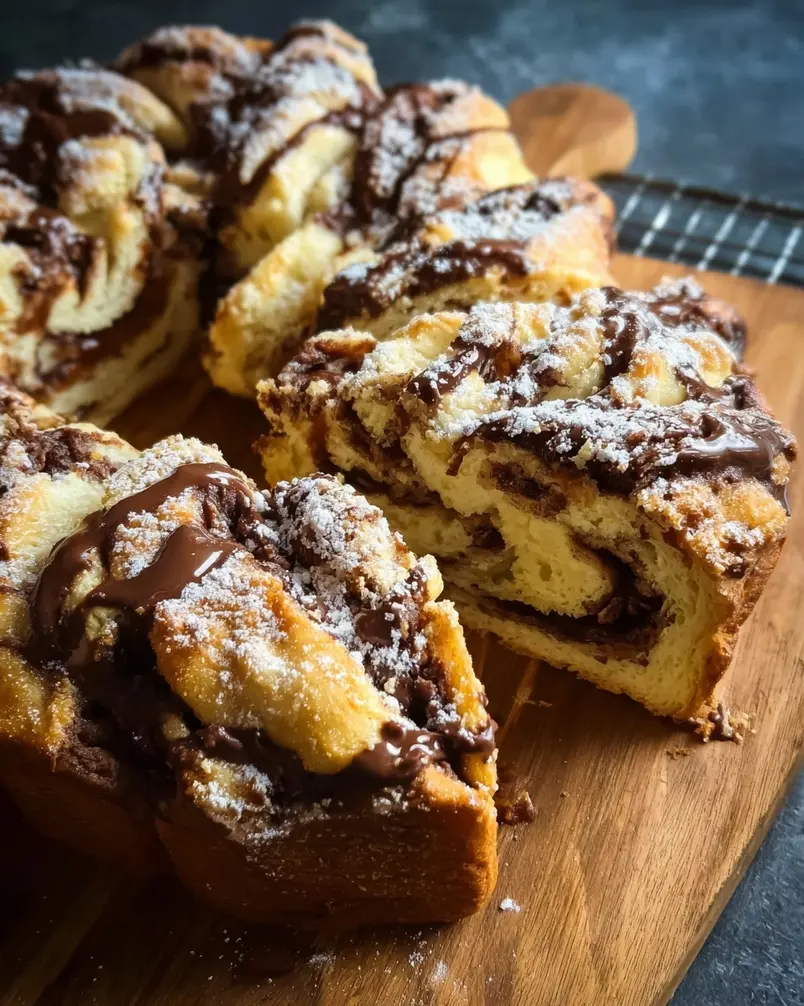
Step-by-Step to Chocolate Babka Perfection
Let’s get baking! Follow these detailed steps to achieve a stunning chocolate babka.
Step 1: Activate the Yeast and Begin the Dough
In a small bowl, combine the warm milk, 1 teaspoon of sugar, and the active dry yeast. Give it a gentle stir and let it sit for 5-10 minutes. You should see a foamy, bubbly layer form on top, indicating your yeast is alive and happy! If not, your yeast may be expired, and you’ll need to start with fresh. In the bowl of a stand mixer fitted with the dough hook, or in a large mixing bowl, combine the flour and 1/4 cup of sugar. Add the salt and whisk to combine. Pour in the activated yeast mixture, the two eggs, and the softened butter.
* Pro Tip: Room temperature eggs and butter incorporate more evenly, leading to a smoother, more elastic dough.
Step 2: Knead Your Way to Elasticity
Mix the ingredients on low speed until a shaggy dough forms. Increase the speed to medium and knead for 7-10 minutes. The dough should become smooth, elastic, and pull away from the sides of the bowl. If kneading by hand, continue for 10-12 minutes on a lightly floured surface. The dough should be slightly sticky but manageable.
* Data Insight: Proper kneading develops gluten strands, which are essential for the babka’s signature layered texture and ability to hold its shape. Insufficient kneading often results in a crumbly, dense babka.
Step 3: The First Rise – Patience is a Virtue
Lightly grease a large bowl. Place the dough in the bowl, turning to coat. Cover the bowl tightly with plastic wrap or a clean kitchen towel. Let the dough rise in a warm place for 60-90 minutes, or until doubled in size. This is a crucial stage for flavor development.
Step 4: Prepare the Decadent Chocolate Filling
While the dough is rising, prepare your filling. In a medium bowl, whisk together the cocoa powder and sugar. Add the finely chopped dark chocolate, cinnamon, and melted butter. Stir until a thick, spreadable paste forms. If it seems too dry, add another teaspoon of melted butter.
* Personalization Prompt: For an extra twist, consider adding a pinch of espresso powder to the filling to deepen the chocolate flavor, or a splash of orange zest for a zesty surprise!
Step 5: Chill and Stretch – Making the Dough Manageable
Once the dough has doubled, gently punch it down to release the air. Turn the dough out onto a lightly floured surface. Cover it loosely with plastic wrap and refrigerate for about 30 minutes. This chilling step firms up the dough, making it much easier to roll and shape without tearing.
Step 6: Roll, Fill, and Swirl: The Art of Layering
On a lightly floured surface, roll the chilled dough into a large rectangle, approximately 12×18 inches and about ¼ inch thick. Evenly spread the chocolate filling over the dough, leaving a ½-inch border along one of the long edges. Starting from the long edge opposite the border, tightly roll up the dough into a log. Pinch the seam to seal it.
* Generative Tip: Imagine you’re rolling a beautiful rug; aim for even pressure to ensure consistent layers throughout.
Step 7: Shape and Rise Again
Gently transfer the log, seam-side down, to a parchment-lined baking sheet or a greased loaf pan (a 9×5 inch pan is ideal). Using a sharp knife or bench scraper, cut the log lengthwise, from one end to the other, stopping about 1 inch from the top. Now, carefully twist the two halves together, keeping the cut sides facing upwards to showcase the gorgeous swirls. Tuck the ends underneath. Cover loosely with plastic wrap and let it rise in a warm place for another 60-90 minutes, or until noticeably puffy.
Step 8: Bake to Golden Perfection
Preheat your oven to 350°F (175°C) during the last 30 minutes of the second rise. Once the dough has risen, bake for 30-40 minutes, or until the babka is deep golden brown and sounds hollow when tapped on the bottom. If the top starts browning too quickly, you can tent it loosely with foil.
Step 9: The Finishing Touch – The Sweet Glaze
While the babka is baking, prepare the simple syrup. In a small saucepan, heat the ¼ cup sugar and ¼ cup water over medium heat, stirring until the sugar is completely dissolved. Bring to a gentle simmer for 1 minute. Once the babka is out of the oven, immediately brush the hot simple syrup generously over the top. This creates a glorious, slightly sticky, and shiny finish.
Nutritional Snapshot: Indulging Responsibly
While chocolate babka is a treat, understanding its nutritional profile can help in mindful enjoyment. (Values are approximate and can vary based on ingredients used).
* Serving Size: 1/12 of the babka
* Calories: ~350-450 kcal
* Protein: ~7-9g
* Total Carbohydrates: ~45-60g
* Dietary Fiber: ~2-4g
* Total Fat: ~15-25g
* Saturated Fat: ~7-12g
* Sugar: ~25-35g
* Data Insight: The fat content largely comes from butter and chocolate, while the carbohydrates are primarily from flour and sugar. Understanding these components allows for informed adjustments.
Healthier Twists on Your Chocolate Babka
Baking is about adaptability! Here are some ways to make your chocolate babka a touch more health-conscious without sacrificing flavor:
* Whole Wheat Enchantment: Substitute up to half of the all-purpose flour with whole wheat pastry flour for added fiber and nutrients.
* Sweetness Smart: Reduce the sugar in the dough and filling by 25% and rely more on the natural sweetness of good quality chocolate.
* Dark Chocolate Power: Opt for dark chocolate with a higher cacao percentage (70% or more) for added antioxidants and less sugar.
* Nut Butter Bliss: Replace some of the butter in the filling with natural, unsweetened peanut or almond butter for added protein and healthy fats.
* Seed Sensations: Mix flax or chia seeds into the dough for an extra fiber and omega-3 boost.
Beyond the Slice: Serving Suggestions
This gorgeous chocolate babka is a star on its own, but here are a few ideas to elevate its presentation and enjoyment:
* Classic Pairing: Serve warm slices with a strong cup of coffee or rich hot chocolate.
* Breakfast Delight: Enjoy alongside fresh berries or a dollop of Greek yogurt for a balanced start.
* Dessert Extravaganza: Pair with a scoop of vanilla bean ice cream or a drizzle of raspberry coulis for an impressive dessert.
* Presentation Tip: A light dusting of powdered sugar or a few extra chocolate shavings can add that final elegant touch.
Common Pitfalls to Sidestep for Babka Success
Even the most seasoned bakers can encounter issues. Here are common mistakes to avoid for a flawless chocolate babka:
* Under-proofing: Rushing the rising stages leads to a dense, heavy babka. Ensure the dough doubles in size each time.
* Over-kneading: While kneading is important, overdoing it can make the dough tough. Stop when it’s smooth and elastic.
* Dry Filling: A dry chocolate filling won’t spread evenly and can crumble. Ensure you have enough melted butter to create a spreadable paste.
* Uneven Rolling: If your dough rectangle is uneven, your babka swirls will be patchy. Aim for consistent thickness.
* Over-baking: This can lead to a dry babka. Keep an eye on the color and check for doneness with a skewer.
* Skipping the Glaze: The simple syrup glaze is essential for that signature shine and moisture. Don’t skip it!
Storing Your Delicious Chocolate Babka
Proper storage ensures your chocolate babka remains as delightful as the day it was baked.
* Room Temperature: Once completely cooled, store leftover babka tightly wrapped in plastic wrap or in an airtight container for up to 3 days.
* Freezing: For longer storage, wrap cooled babka tightly in plastic wrap, then in aluminum foil or a freezer-safe bag. It can be frozen for up to 3 months. Thaw at room temperature and rewarm slightly in the oven if desired.
* Prep Ahead: The dough can be made a day in advance and refrigerated overnight after the first rise. Let it sit at room temperature for about 30 minutes before proceeding with rolling and filling.
The Sweet Conclusion: Embrace the Babka!
Mastering chocolate babka is a journey filled with delicious rewards. From the satisfying elasticity of the dough to the rich swirls of chocolate, every step contributes to a truly memorable bake. This recipe, armed with insights and adaptable tips, empowers you to create a chocolate babka that rivals any bakery’s best.
Ready to embark on your babka adventure? Try this recipe and share your creations in the comments below! We’d love to hear about your twists and triumphs. For more delightful bakes, explore our collection of [European Pastry Recipes](internal-link-to-your-pastry-category) or dive into our [Beginner’s Guide to Yeast Breads](internal-link-to-yeast-bread-guide).
Frequently Asked Questions about Chocolate Babka
Q1: My yeast didn’t foam. What went wrong?
A1: This usually indicates inactive yeast. Ensure your milk was warm (not hot) and that your yeast hasn’t expired. Try with a fresh packet of yeast.
Q2: Can I make a dairy-free chocolate babka?
A2: Absolutely! Use your favorite non-dairy milk (almond, oat, soy) and plant-based butter. For the glaze, you can omit it or use a simple sugar-water syrup.
Q3: My babka dough is too sticky to handle. What should I do?
A3: Resist the urge to add too much extra flour, as this can make the babka tough. Chilling the dough for 30 minutes as instructed significantly helps with manageability. You can also lightly oil your hands when working with sticky dough.
Q4: What’s the best way to get distinct chocolate swirls?
A4: Ensure your chocolate filling is spread evenly and not too thick, and roll the dough tightly. Cutting the log just before twisting also helps expose those beautiful layers. Don’t over-proof the final loaf, as excessive rising can cause the layers to meld together.
Q5: Can I use chocolate chips instead of chopped chocolate?
A5: Yes, you can! However, for a smoother filling that distributes more evenly, it’s recommended to chop the chocolate finely or pulse chips in a food processor until they are in smaller pieces.
Q6: How do I prevent the top of my babka from burning?
A6: If you notice the top browning too quickly before the inside is cooked, loosely tent the babka with aluminum foil for the remainder of the baking time.